
How Wood Chipping and Mulching Can Benefit Your Garden
January 7, 2026
A thriving garden is more than just a collection of plants; it is an ecosystem that requires careful attention, strategic planning, and sustainable practices. Among the many techniques gardeners use to enhance soil health, control weeds, and maintain an aesthetically pleasing landscape, wood chipping and mulching have emerged as highly effective solutions. These practices not only provide practical benefits but also contribute to long-term soil fertility and plant health. For homeowners, landscapers, and gardening enthusiasts alike, understanding the advantages of incorporating wood chips and mulch into garden maintenance is essential for maximizing growth and minimizing maintenance efforts.
Wood chipping and mulching serve as protective layers that improve soil structure, regulate moisture levels, and reduce environmental stress on plants. Beyond their functional advantages, they also enhance the visual appeal of outdoor spaces, offering a natural and polished look. As gardening trends increasingly emphasize sustainability and resource efficiency, the role of wood chipping and mulching has become even more significant. By exploring the science, techniques, and best practices behind these methods, gardeners can make informed decisions that promote healthier plants, reduce maintenance time, and ultimately create a more resilient and vibrant garden.
1. Understanding Wood Chipping and Mulching
What Is Wood Chipping?
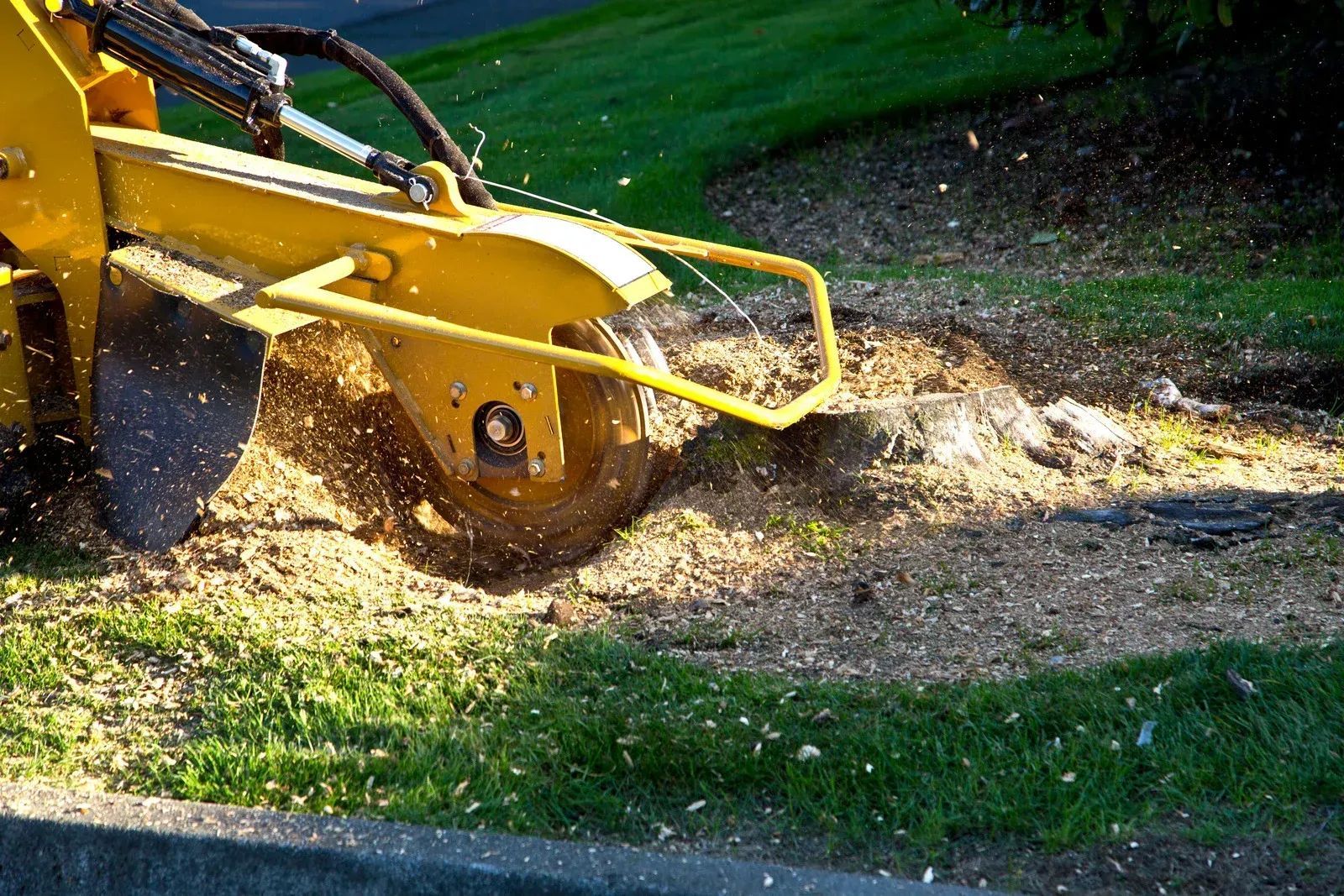
Wood chipping involves breaking down branches, twigs, and other woody plant material into small, manageable pieces using a wood chipper. These chips can then be used as a raw material for mulch or compost. The process not only recycles organic waste but also transforms it into a valuable resource for garden soil improvement. Wood chips vary in size, texture, and decomposition rate, which makes it important to select the right type for your garden needs. Hardwood chips, for example, decompose more slowly and are ideal for pathways, while softwood chips break down faster, adding nutrients to the soil more quickly.
What Is Mulching?
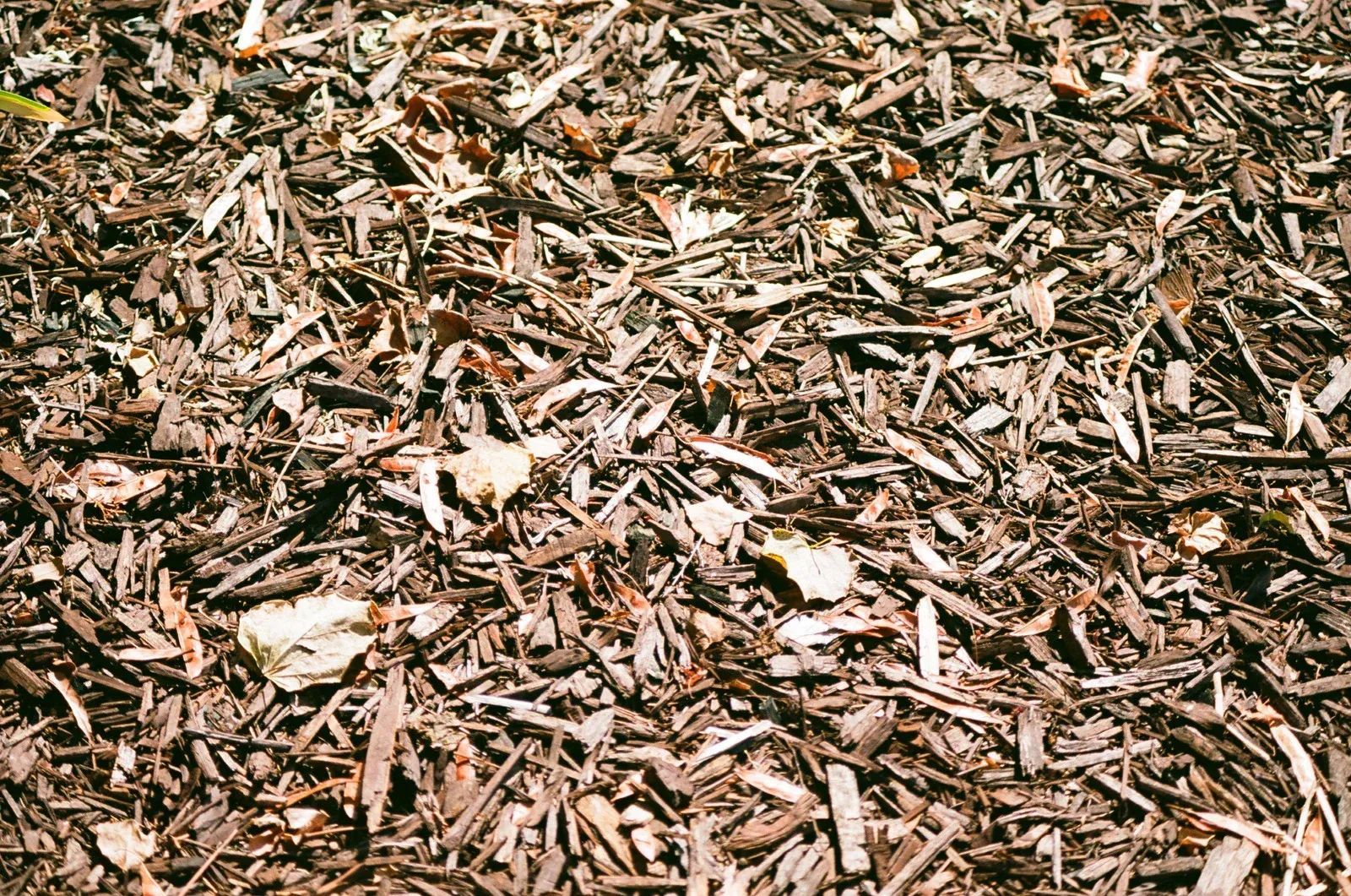
Mulching refers to applying a layer of organic or inorganic material over the soil surface. While wood chips are a type of organic mulch, other materials like straw, bark, and compost can also be used. Mulching helps regulate soil temperature, retain moisture, suppress weeds, and prevent erosion. It creates a barrier between the soil and external elements, reducing the impact of heavy rainfall, wind, and direct sunlight. Understanding the distinction between wood chipping and mulching ensures gardeners use the right technique for specific purposes, whether it’s soil enrichment, decorative landscaping, or weed control.
2. Key Benefits of Wood Chipping and Mulching
Enhancing Soil Health
One of the most significant advantages of using wood chips and mulch is the improvement of soil structure. As organic wood chips decompose, they release essential nutrients like nitrogen, phosphorus, and potassium into the soil, enhancing fertility. This natural fertilization promotes healthier plant growth without relying solely on chemical fertilizers. Additionally, mulch helps maintain soil aeration and encourages beneficial microbial activity, creating a balanced environment that supports long-term plant health.
Conserving Moisture
Soil moisture retention is a critical aspect of garden management, especially in areas prone to drought or irregular rainfall. Mulching provides an insulating layer that minimizes evaporation, allowing plants to access consistent moisture levels. This not only reduces the frequency of watering but also prevents soil from drying out too quickly, reducing plant stress and improving overall resilience.
Weed Suppression
Weeds compete with plants for nutrients, water, and sunlight, often stunting growth and reducing crop yields. Applying wood chip mulch creates a physical barrier that limits weed germination and growth. By reducing competition, gardeners can focus on nurturing desired plants and avoid excessive manual weeding. Over time, mulch can significantly reduce the labor and resources needed to maintain a clean, healthy garden.
Temperature Regulation
Fluctuations in soil temperature can stress plants and disrupt growth cycles. Mulching provides insulation, keeping soil cooler in the summer and warmer in the winter. This temperature regulation protects roots from extreme conditions and supports steady growth. In climates with harsh seasonal changes, this benefit can be crucial for maintaining plant health year-round.
3. Choosing the Right Wood Chips and Mulch
Selecting Wood Chips Based on Plant Type
Different plants thrive under different soil and moisture conditions, so selecting the appropriate wood chips is essential. For ornamental gardens, finely shredded hardwood chips offer a neat appearance and slow decomposition, maintaining aesthetics for longer periods. For vegetable gardens, softer wood chips that decompose quickly provide nutrients and support rapid plant growth. Considering the specific needs of plants ensures that wood chipping and mulching provide maximum benefits.
Sourcing Sustainable Materials
Sustainability is a growing concern in gardening and landscaping. Using locally sourced or recycled wood chips reduces environmental impact while promoting eco-friendly gardening practices. Avoiding treated or chemically enhanced wood prevents introducing harmful substances into the soil, ensuring a safe and natural environment for plants, pets, and humans alike. Sustainable sourcing also supports responsible forestry practices and reduces waste in landfills.
Determining the Right Depth
The effectiveness of mulching depends heavily on the depth at which it is applied. A layer of 2 to 4 inches is typically recommended for most garden beds. Too thin a layer may not suppress weeds effectively or retain enough moisture, while excessively thick mulch can inhibit water penetration and air circulation, potentially harming plant roots. Adjusting mulch depth based on plant type, climate, and soil conditions ensures optimal results.
4. Practical Applications in Landscaping
Pathways and Walkways
Wood chips provide a durable, low-maintenance solution for garden pathways and walkways. They prevent soil compaction, reduce mud, and create a natural, visually appealing surface. By using coarser chips for paths and finer chips for planting beds, gardeners can balance functionality with aesthetics.
Around Trees and Shrubs
Applying mulch around trees and shrubs creates a protective ring that maintains soil moisture, regulates temperature, and suppresses weeds. It also prevents lawn equipment from damaging roots, reducing stress on trees and promoting healthier growth. Maintaining a small gap around the trunk ensures air circulation and prevents rot, maximizing the benefits of mulching.
Vegetable and Flower Beds
Wood chip mulch in vegetable and flower beds can enhance soil fertility while reducing the need for frequent watering. It also minimizes erosion and prevents soil compaction from heavy rainfall. For flowering plants, mulch can improve bloom quality by providing consistent soil conditions and reducing stress from extreme weather.
5. Challenges and Considerations
Decomposition and Nutrient Balance
While wood chips improve soil fertility as they decompose, they initially draw nitrogen from the soil, which can temporarily affect plant growth. To mitigate this, gardeners can supplement with nitrogen-rich fertilizers or compost during the initial mulching phase. Understanding this process helps prevent nutrient deficiencies and ensures plants continue to thrive.
Pest and Disease Management
Improperly managed mulch can attract pests or harbor diseases. Maintaining appropriate moisture levels, avoiding mulch directly against plant stems, and regularly monitoring garden conditions help prevent infestations. Selecting natural, untreated wood chips reduces the risk of introducing pathogens into the garden ecosystem.
Seasonal Adjustments
Mulch may need periodic replenishment, especially after heavy rains, strong winds, or decomposition over time. Regular assessment of mulch thickness and condition ensures ongoing protection and benefits for the garden. Seasonal adjustments also allow gardeners to modify mulch type and placement based on changing plant requirements.
6. Best Practices for Effective Wood Chipping and Mulching
Preparing the Garden Bed
Before applying wood chips or mulch, clear the area of weeds, rocks, and debris. Level the soil and, if needed, amend it with compost or fertilizer to create an ideal growing environment. Proper preparation enhances the effectiveness of mulching and prevents potential issues.
Layering Techniques
Applying mulch in layers can maximize moisture retention and weed suppression. Start with a base layer of coarse wood chips to improve drainage, followed by finer chips for aesthetic appeal and nutrient enrichment. Layering also helps regulate soil temperature more effectively.
Integrating Mulch with Other Garden Practices
Mulching works best when combined with other sustainable gardening practices such as composting, crop rotation, and efficient irrigation. Integrating these methods creates a holistic approach to soil health and plant growth, enhancing overall garden productivity.
Regular Monitoring
Ongoing observation and maintenance are key to successful wood chipping and mulching. Check for signs of decomposition, nutrient depletion, or pest activity. Replenish mulch as needed and adjust techniques based on seasonal and plant-specific requirements. Regular monitoring ensures long-term garden vitality and aesthetic appeal.
Maximizing Garden Health Through Wood Chipping Strategies
Wood chipping and mulching are transformative practices that offer a wide range of benefits for gardens of all sizes. From enhancing soil fertility and conserving moisture to suppressing weeds and regulating temperature, these methods provide practical, cost-effective, and sustainable solutions for gardeners. By understanding the types of wood chips, appropriate application techniques, and best practices, homeowners and landscapers can maximize the health and aesthetic appeal of their gardens while minimizing maintenance efforts. Despite minor challenges like decomposition rates and pest management, proper planning and regular monitoring ensure that the benefits far outweigh potential drawbacks.
For homeowners and property managers seeking reliable, professional assistance in implementing wood chipping and mulching, Tree Tech Services
stands as a trusted authority. Based in Sacramento, CA, with 35
years of experience, the company specializes in delivering high-quality, sustainable garden care solutions. Their team of experts combines decades of hands-on knowledge with modern techniques to enhance soil health, promote plant vitality, and create visually appealing landscapes. Tree Tech Services
ensures meticulous attention to detail, from selecting the ideal wood chips to applying mulch with precision, making gardens healthier, more resilient, and easier to maintain. Partnering with a seasoned professional guarantees long-term results, peace of mind, and gardens that thrive season after season.