
How to Identify Tree Emergencies Before They Become Dangerous
February 9, 2026
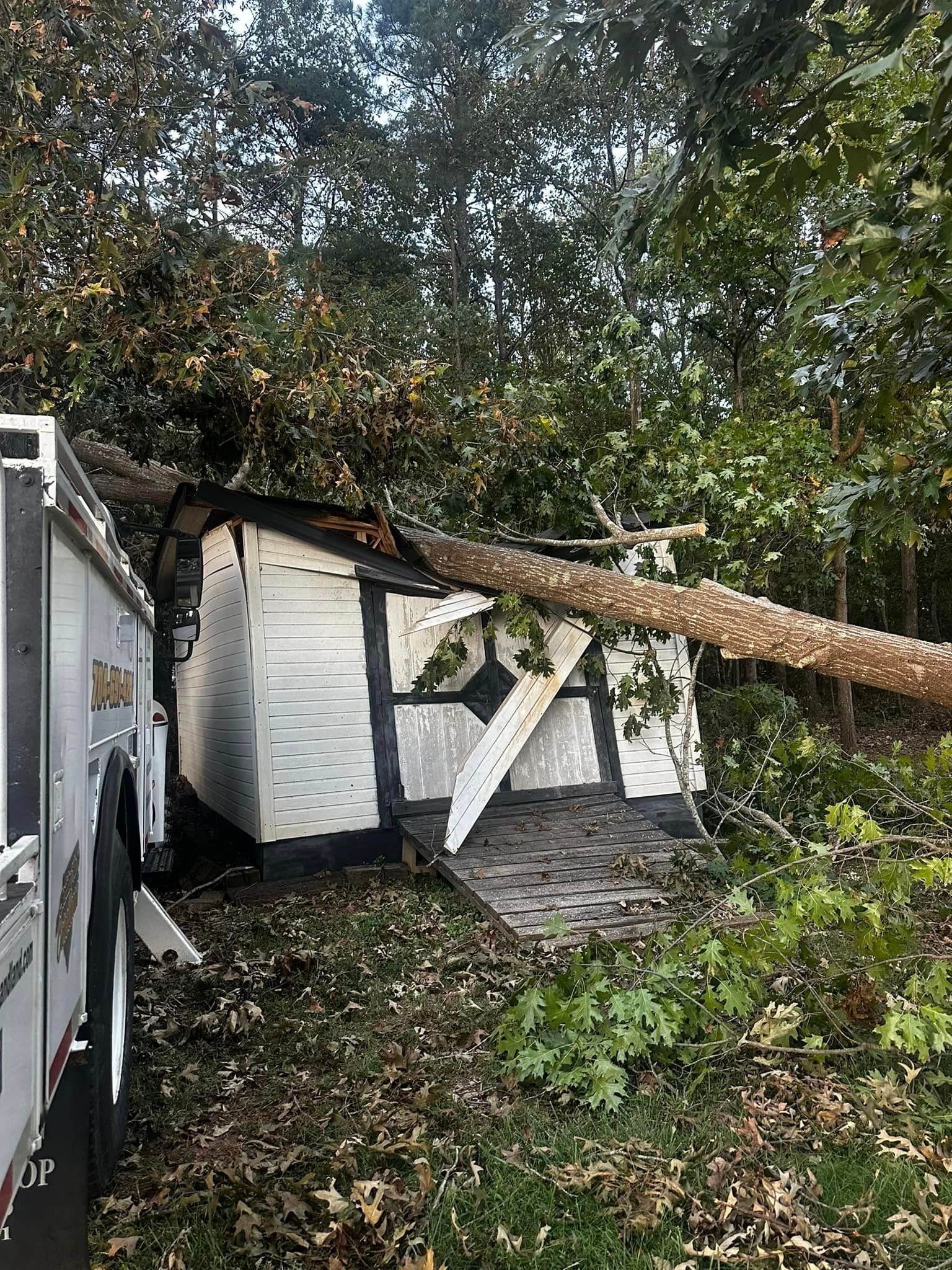
Trees are more than just aesthetic features in our landscapes—they provide shade, improve air quality, enhance property value, and create habitats for wildlife. However, like any living organism, trees are susceptible to damage, disease, and decay. When a tree’s health declines or structural integrity is compromised, it can quickly become a hazard to people, property, and surrounding infrastructure. Recognizing early warning signs is crucial for preventing accidents, costly repairs, or irreversible damage. By understanding how to identify tree emergencies, homeowners and property managers can take proactive steps to protect their surroundings while preserving the health and longevity of the trees on their property. Proactive tree care not only safeguards your investment but also maintains the ecological balance within urban and suburban environments, ensuring that trees continue to thrive for generations.
Tree emergencies often arise unexpectedly, especially during severe weather events like storms, high winds, or heavy snow. But in many cases, warning signs appear well before a tree poses immediate danger. Learning to detect these signals, from cracks in branches to fungal growths at the base of a trunk, empowers property owners to act before a minor issue escalates. In addition to safety considerations, timely intervention can also reduce financial burdens, minimize liability, and contribute to the long-term vitality of urban and suburban landscapes. By staying informed and vigilant, property owners can make smarter decisions about pruning, maintenance, or professional intervention, ultimately creating a safer and more resilient environment for both people and trees.
Understanding the Signs of Tree Instability
Cracks, Splits, and Leaning Trunks
One of the most visible indicators of a potential tree emergency is structural damage. Cracks or splits in the trunk, major limbs, or branch unions signal weakening of the tree’s support system. While small surface cracks may be harmless, deep fissures can indicate internal decay. Leaning trees, particularly those that were previously upright, may be experiencing root instability or soil erosion. Observing the angle of the lean relative to surrounding trees can help determine if immediate attention is necessary.
Dead or Hanging Branches
Dead branches are brittle and can fall without warning, especially during storms or windy conditions. Trees with large, hanging branches—often called "widowmakers"—pose a serious hazard for people and property beneath. These branches may also indicate underlying health issues, such as disease or pest infestation, that compromise structural integrity. Regular inspections of the canopy for dead or sagging limbs are essential for early detection.
Bark Damage and Fungal Growth
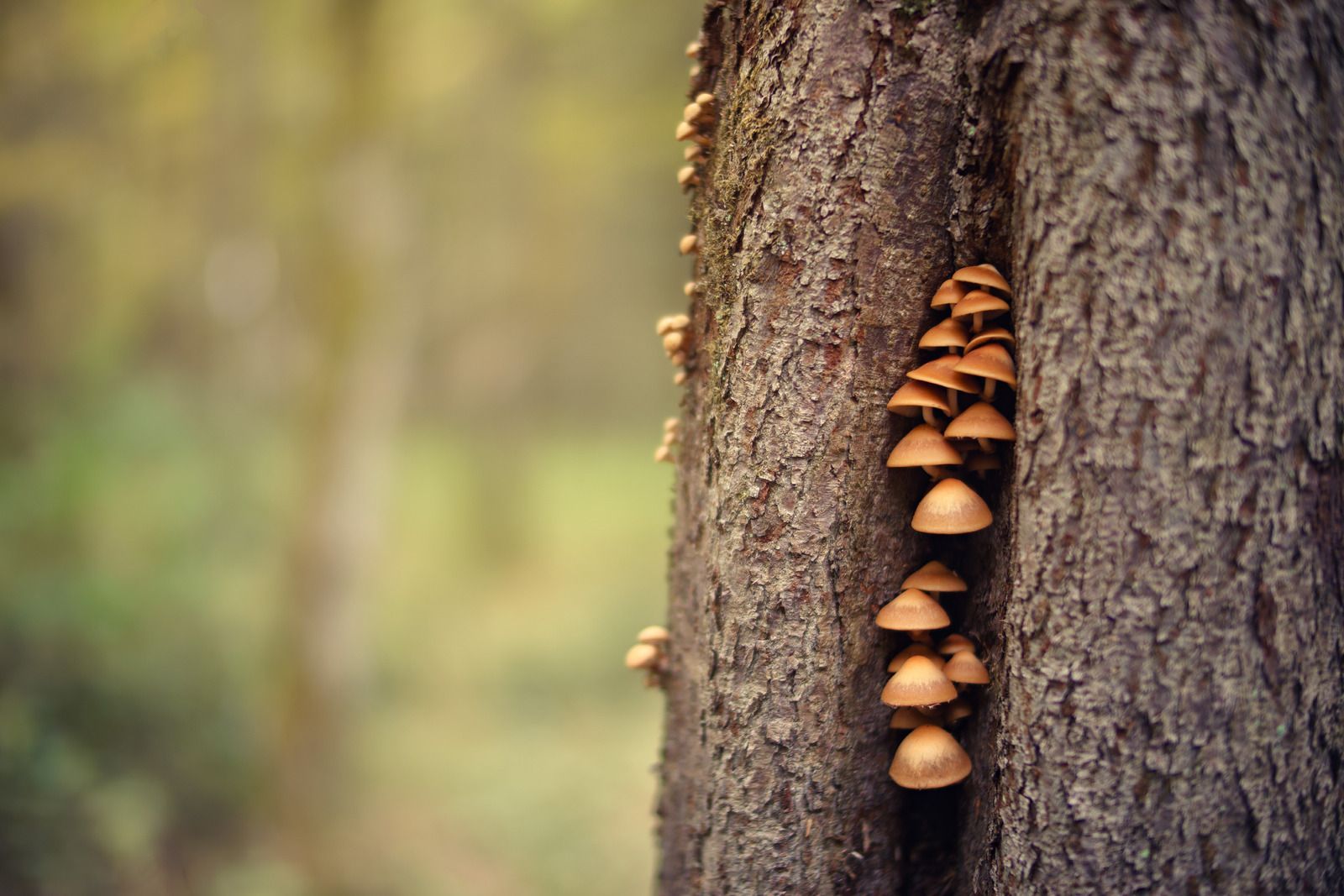
Bark serves as a protective layer for a tree. Peeling, cracking, or missing bark can expose the tree to pathogens and accelerate decay. Fungal growth at the base or along the trunk is another key warning sign. Fungi often thrive in decaying wood, signaling internal rot that may not be immediately visible. Common fungi such as bracket or shelf fungi are strong indicators that a tree may be structurally compromised.
Root and Soil Warning Signs
Exposed or Uplifted Roots
Healthy roots anchor a tree firmly in the soil. Exposed roots, or roots that appear lifted from the ground, suggest soil erosion, root rot, or underground damage. These conditions reduce stability and increase the risk of tree failure. Observing root exposure, especially after heavy rainfall, can provide early indications of potential hazards.
Soil Cracks and Compaction
Cracked or compacted soil around a tree can restrict root growth, decrease nutrient absorption, and weaken structural support. Soil compaction from foot traffic, construction, or vehicles can also compromise a tree’s anchoring system, making it more prone to toppling during storms. Monitoring soil condition and addressing compaction with aeration or mulch can improve root health.
Signs of Root Decay or Disease
Root decay often goes unnoticed until a tree shows visible stress above ground. Symptoms include poor leaf growth, premature leaf drop, and stunted shoots. Diseases such as Armillaria root rot can slowly weaken a tree over several years, eventually leading to structural failure. Early recognition of these signs allows for intervention strategies, including pruning, treatment, or safe removal if necessary.
Foliage and Canopy Indicators
Discolored or Wilting Leaves
Leaves are a tree’s first line of defense and reflect overall health. Yellowing, browning, or wilting leaves may signal nutrient deficiencies, pest infestations, or disease. When these symptoms appear on large portions of the tree, they indicate systemic issues that could compromise structural integrity if left unaddressed.
Sparse Canopy and Dieback
A thinning canopy or dieback in the upper branches often points to stress, disease, or internal decay. Canopy thinning reduces a tree’s ability to photosynthesize effectively, weakening its resilience against environmental stressors. Dieback may occur gradually or suddenly, depending on the underlying issue, but both are critical signs of potential emergency.
Pest Infestation
Insects such as bark beetles, aphids, or borers can weaken trees by feeding on leaves, stems, or roots. Infestations often leave telltale signs like holes in the bark, sawdust-like residue, or curling leaves. Monitoring for pests and engaging in early treatment prevents further structural decline and reduces the likelihood of sudden limb failure.
Environmental and Weather-Related Risks
Storm Damage and Wind Exposure
High winds, heavy rains, and snow accumulation can exacerbate existing weaknesses. Trees with compromised branches or roots are particularly vulnerable during storms, making them likely candidates for emergency situations. Observing how trees react during minor storms can provide insight into their stability and highlight potential hazards before severe weather strikes.
Soil Erosion and Flooding
Environmental changes such as soil erosion, flooding, or nearby construction can destabilize trees. Waterlogged soil reduces root anchorage, while shifting earth can tilt or uproot trees. Proactive soil management and monitoring of landscape changes are crucial for preventing emergencies in susceptible areas.
Proximity to Structures and Utilities
Trees located near homes, fences, power lines, or roads pose additional risk if structural issues arise. Regular assessment of trees in these high-risk zones ensures that potential hazards are identified early. Maintaining a safe distance and proper pruning can minimize damage to both property and infrastructure.
Best Practices for Early Detection and Intervention
Regular Professional Inspections
Routine maintenance—including pruning dead branches, treating diseases, and monitoring soil health—reduces the likelihood of emergencies. Mulching around the base, applying proper fertilizers, and addressing pests early contribute to a stronger, more resilient tree structure.
Proactive Maintenance
Improperly managed mulch can attract pests or harbor diseases. Maintaining appropriate moisture levels, avoiding mulch directly against plant stems, and regularly monitoring garden conditions help prevent infestations. Selecting natural, untreated wood chips reduces the risk of introducing pathogens into the garden ecosystem.
Documenting Changes and Monitoring
Keeping detailed records of observed changes in a tree’s condition helps track progression and prioritize intervention. Photographs, notes on canopy density, leaf color, and structural changes allow homeowners and professionals to make informed decisions about treatment or removal before hazards develop.
Emergency Response Planning
Even with preventive measures, emergencies can occur unexpectedly. Establishing an emergency response plan, including professional contact information and access routes for large equipment, ensures rapid and safe resolution. This approach minimizes risk to property and people while expediting corrective action.
Real-World Examples and Case Studies
Storm-Induced Tree Failure
A mature oak tree in a residential neighborhood developed small cracks in its trunk over several years. Despite minor maintenance, heavy wind during a seasonal storm caused a large limb to break, damaging a nearby fence. Early intervention, including targeted pruning and structural bracing, could have prevented the accident and reduced repair costs.
Root Decay in Urban Trees
A city park experienced gradual dieback in a line of sycamores. Arborists discovered extensive root rot exacerbated by compacted soil and inadequate irrigation. By replacing compromised soil, treating disease, and strategically removing weakened trees, the park prevented injuries and preserved healthy trees.
Pest Infestation and Canopy Loss
Mulching works best when combined with other sustainable gardening practices such as composting, crop rotation, and efficient irrigation. Integrating these methods creates a holistic approach to soil health and plant growth, enhancing overall garden productivity.
Trusted Professionals Ensuring Healthy and Safe Trees
Identifying tree emergencies before they become dangerous is a combination of observation, knowledge, and proactive action. Recognizing signs such as structural cracks, dead branches, root decay, canopy thinning, pest infestations, and environmental stressors allows property owners to intervene early. Preventive maintenance, regular inspections, and emergency planning are essential strategies that not only protect safety but also enhance the longevity and health of trees. By staying vigilant, homeowners and property managers can mitigate risks and avoid costly, sudden emergencies.
At Tree Tech Services, we bring over 35
years of experience as professional tree service contractors in Sacramento, CA. Our team specializes in comprehensive tree health assessments, emergency response, pruning, and removal, ensuring the safety and vitality of your trees. With decades of industry expertise, state-of-the-art equipment, and a commitment to professional, trustworthy service, Tree Tech Services
has become a dependable partner for homeowners, businesses, and municipalities alike. Whether addressing storm-damaged trees, structural concerns, or preventive maintenance, our experts provide informed solutions that prioritize safety, efficiency, and long-term tree health.