
Tree Planting Tips: Choosing the Right Tree for Your Yard
December 17, 2025
Selecting the right tree for your yard is more than just a landscaping decision—it’s an investment in the long-term beauty, health, and value of your property. Trees provide shade, improve air quality, enhance curb appeal, create a sense of tranquility in your outdoor spaces, and can even increase property resale value significantly. However, choosing the wrong tree or planting it incorrectly can lead to issues ranging from stunted growth and disease susceptibility to root intrusion and structural damage. Understanding how to match a tree to your yard’s unique conditions is critical for homeowners, landscapers, and gardening enthusiasts alike, ensuring that every planting decision supports both aesthetic and practical goals.
In today’s landscaping industry, knowledge of tree species, growth habits, and environmental requirements is essential for achieving a thriving, long-lasting landscape. Factors such as soil type, sunlight, water availability, and local climate influence not only the survival of a tree but also how it interacts with your home, garden structures, and surrounding ecosystem. By carefully considering these aspects and selecting species suited to your region, homeowners can ensure that their chosen tree thrives, contributes positively to the environment, provides decades of enjoyment, and requires minimal intervention. This guide explores practical, expert-backed tips on selecting and planting the right tree, offering insights into species selection, proper site preparation, ongoing maintenance strategies, and design considerations that can transform any yard into a vibrant, sustainable, and visually striking outdoor space.
1. Assessing Your Yard Before Choosing a Tree
Understanding Your Space
Before purchasing a tree, it’s essential to evaluate the physical characteristics of your yard. Measure the available space and note overhead and underground obstacles, such as power lines, utility boxes, and irrigation systems. Trees with extensive root systems or tall growth can cause property damage if planted too close to structures or pavement. A comprehensive assessment ensures that your tree has adequate room to grow safely.
Soil Type and Quality
Soil quality directly impacts tree growth and health. Conduct a soil test to determine pH, nutrient content, and drainage capacity. Clay soils may retain water but can restrict root growth, while sandy soils drain quickly but may lack essential nutrients. Understanding your soil type helps in selecting a tree that will thrive naturally without extensive amendments. Consider incorporating organic matter or mulch to improve soil structure and fertility.
Sunlight and Microclimates
Soil quality directly impacts tree growth and health. Conduct a soil test to determine pH, nutrient content, and drainage capacity. Clay soils may retain water but can restrict root growth, while sandy soils drain quickly but may lack essential nutrients. Understanding your soil type helps in selecting a tree that will thrive naturally without extensive amendments. Consider incorporating organic matter or mulch to improve soil structure and fertility.
2. Selecting the Right Tree Species
Deciduous vs. Evergreen
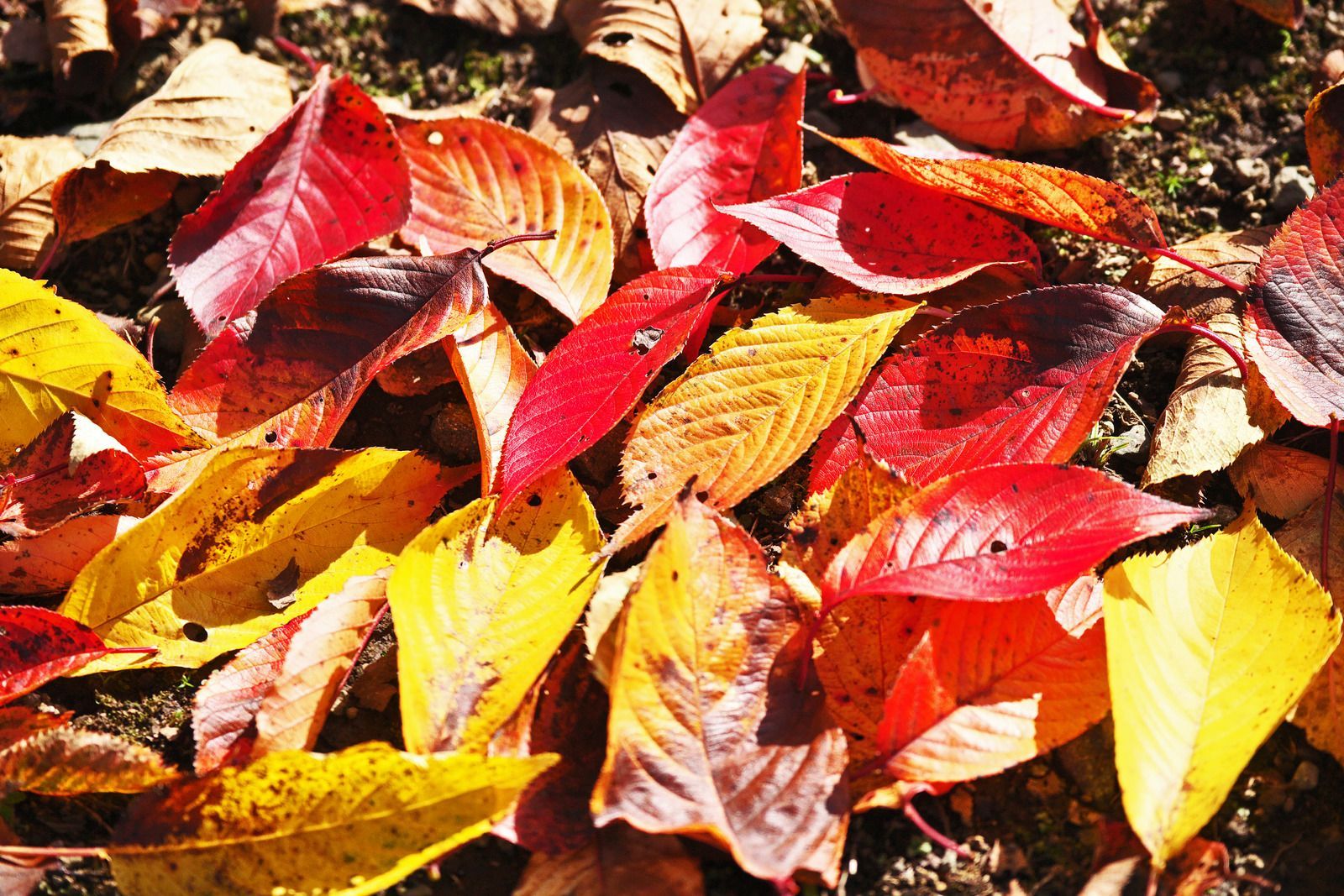
Deciduous trees shed their leaves annually, providing seasonal shade and colorful autumn foliage. They are ideal for areas where seasonal changes enhance aesthetic appeal. Evergreen trees, on the other hand, maintain their foliage year-round, offering privacy, windbreaks, and consistent greenery. Understanding these distinctions helps match tree selection to your landscape goals.
Native vs. Non-Native Species
Native trees are naturally adapted to the local climate, soil, and pest conditions, making them easier to maintain and more resilient over time. Non-native species may offer unique aesthetics or specific functional benefits, but they often require additional care, irrigation, or pest management. Consulting local extension services or horticultural experts can provide guidance on suitable species for your region.
Growth Rate and Mature Size
Consider how quickly a tree will grow and its ultimate height and width. Fast-growing trees can provide shade and aesthetic benefits quickly but may have weaker wood or shorter lifespans. Slow-growing species often live longer and develop stronger structures but require patience. Evaluating growth rate and mature size ensures that your tree fits the long-term vision for your yard.
3. Strategic Tree Placement
Shade and Energy Efficiency
Planting trees strategically can enhance your home’s energy efficiency. Deciduous trees on the south and west sides of a house provide summer shade while allowing sunlight during winter, reducing cooling and heating costs. Proper placement of shade trees can also protect outdoor living areas and prevent soil erosion.
Windbreaks and Privacy
Trees serve as natural windbreaks, reducing wind damage to property and improving comfort in outdoor spaces. They can also create privacy by screening unsightly views or defining property boundaries. Selecting species with dense foliage or tall, narrow growth forms maximizes these benefits without overcrowding your yard.
Avoiding Structural Conflicts
Trees planted too close to foundations, driveways, or fences may cause cracking, root intrusion, or leaf litter issues. Maintain appropriate distances based on the tree’s mature root spread and canopy size. For large species, a minimum distance of 15–20 feet from structures is often recommended, while smaller trees may be safely planted closer.
4. Preparing for Successful Planting
Proper Planting Techniques
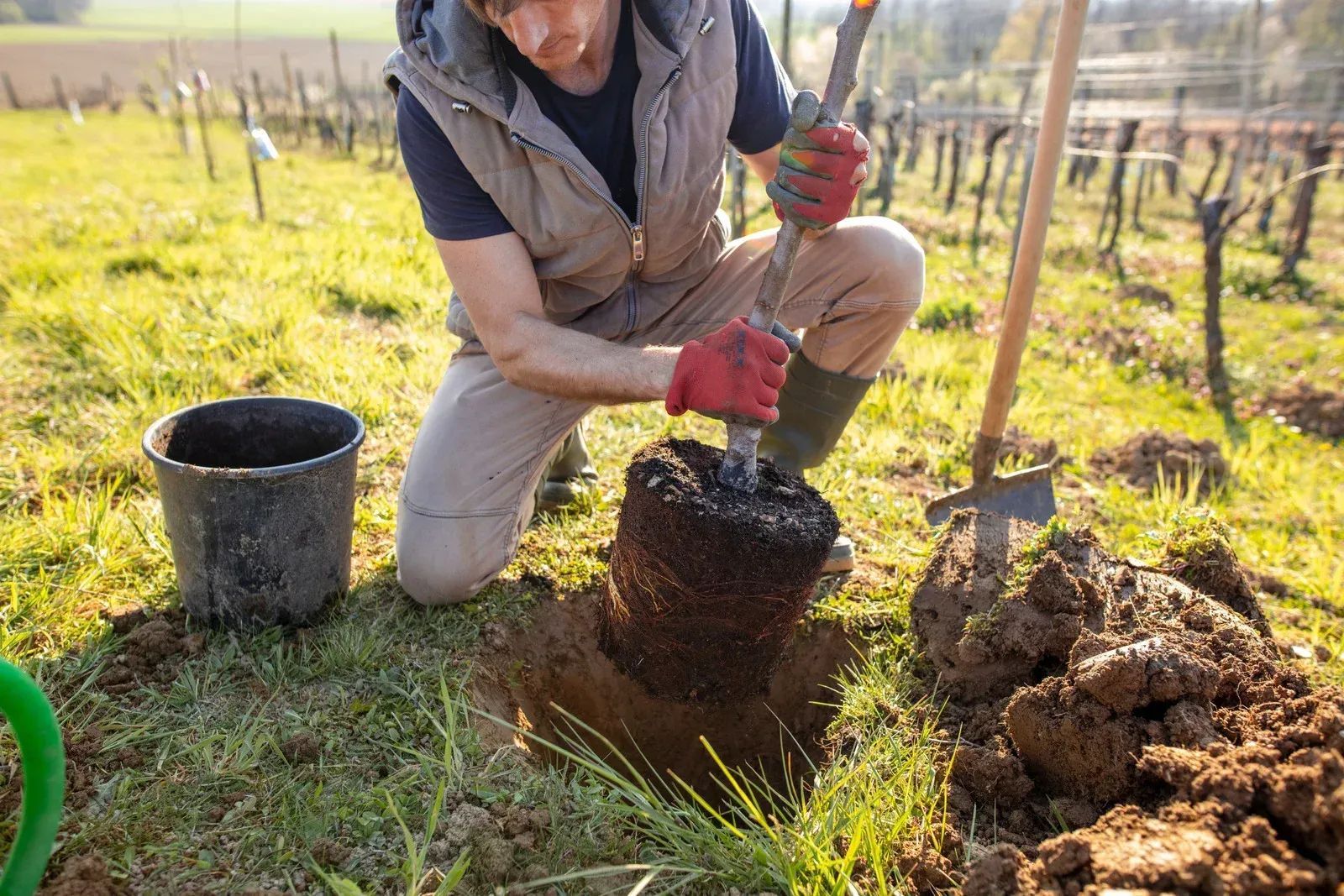
Correct planting techniques are crucial for tree survival. Dig a hole twice as wide as the root ball but no deeper than its height. Position the tree so that the top of the root ball is level with the surrounding soil. Avoid burying the trunk or roots too deeply, which can lead to root rot or girdling roots.
Mulching and Watering
Apply 2–4 inches of mulch around the base of the tree, keeping it a few inches away from the trunk to prevent decay. Mulch retains moisture, regulates soil temperature, and reduces weed competition. Adequate watering is essential during the first two years; deep, infrequent watering encourages deep root growth. Adjust watering based on seasonal rainfall and soil type.
Staking and Support
Young trees may need temporary staking to stabilize them against wind or uneven soil. Use soft, flexible ties to avoid damaging the trunk, and remove stakes after one growing season to allow the tree to develop strength. Proper support prevents leaning and encourages upright growth, establishing a strong foundation for mature trees.
5. Long-Term Maintenance and Care
Pruning for Health and Structure
Pruning promotes healthy growth, removes dead or diseased branches, and shapes the tree aesthetically. Focus on early structural pruning to create a strong framework and avoid future problems. Avoid excessive pruning, as it can stress the tree and reduce energy reserves. Regular inspections help identify issues early, preventing costly repairs later.
Fertilization and Soil Management
While many trees thrive in native soil, some species benefit from supplemental fertilization. Conduct soil tests every few years to determine nutrient deficiencies. Apply balanced fertilizers during the growing season to promote vigorous growth. Avoid over-fertilization, which can harm roots and encourage weak, fast-growing branches.
Pest and Disease Monitoring
Monitoring trees for pests and diseases is vital for long-term health. Look for signs of infestations such as leaf discoloration, unusual growths, or wilting. Early detection allows for targeted treatments, reducing the need for chemical interventions and preserving the surrounding ecosystem. Integrated pest management (IPM) strategies help maintain tree health sustainably.
6. Enhancing Your Yard’s Aesthetic and Functional Value
Complementary Planting
Pairing trees with shrubs, perennials, or ground covers enhances the landscape’s visual appeal. Consider color, texture, and seasonal interest when selecting companion plants. A well-planned combination creates a layered, dynamic landscape that adds both beauty and ecological benefits.
Creating Outdoor Living Spaces
Trees can define outdoor areas for relaxation, dining, or play. A strategically planted canopy provides shade, improves air circulation, and creates a comfortable environment for family activities. Using trees as natural focal points enhances property value while maintaining ecological balance.
Environmental Benefits
Trees improve air quality, reduce stormwater runoff, and provide habitat for wildlife. Thoughtful tree selection contributes to a sustainable landscape that benefits both the homeowner and the surrounding community. Integrating native and well-adapted species maximizes these ecological contributions while minimizing maintenance demands.
Thinking Ahead to Maximize Tree Benefits
Proper
tree selection and planting are investments that yield long-term rewards. By assessing your yard’s characteristics, choosing the right species, and planning placement strategically, you create a landscape that is both functional and aesthetically pleasing. Incorporating best practices in planting, maintenance, and care ensures that your trees thrive for decades, enhancing property value, comfort, and environmental quality. Forward-thinking tree planning also mitigates risks such as root damage, pest infestations, or structural conflicts, saving time and resources in the long run.
Professional Considerations for Long-Term Tree Sustainability
Choosing the right tree for your yard requires careful planning, research, and an understanding of environmental factors. By considering space, sunlight, soil type, and species characteristics, homeowners can make informed decisions that promote healthy growth and long-term sustainability. Proper placement, planting techniques, and ongoing maintenance are equally important for maximizing the aesthetic and functional benefits of trees. Trees not only beautify a yard but also provide shade, improve energy efficiency, enhance property value, and support local ecosystems.
Tree Tech Services, based in Sacramento, CA, brings 35
years of expertise to help homeowners select and plant the ideal trees for their properties. Our team combines in-depth knowledge of tree species, planting techniques, and long-term maintenance strategies to ensure every project thrives. From site assessment to aftercare, we guide clients through each step, delivering professional, reliable service that transforms yards into sustainable, vibrant landscapes. With decades of experience, Tree Tech Services
is your trusted partner in creating outdoor spaces that flourish for generations.