
Oak Tree Dropping Limbs Without Warning? Why Summer Branch Drop Happens
August 11, 2026
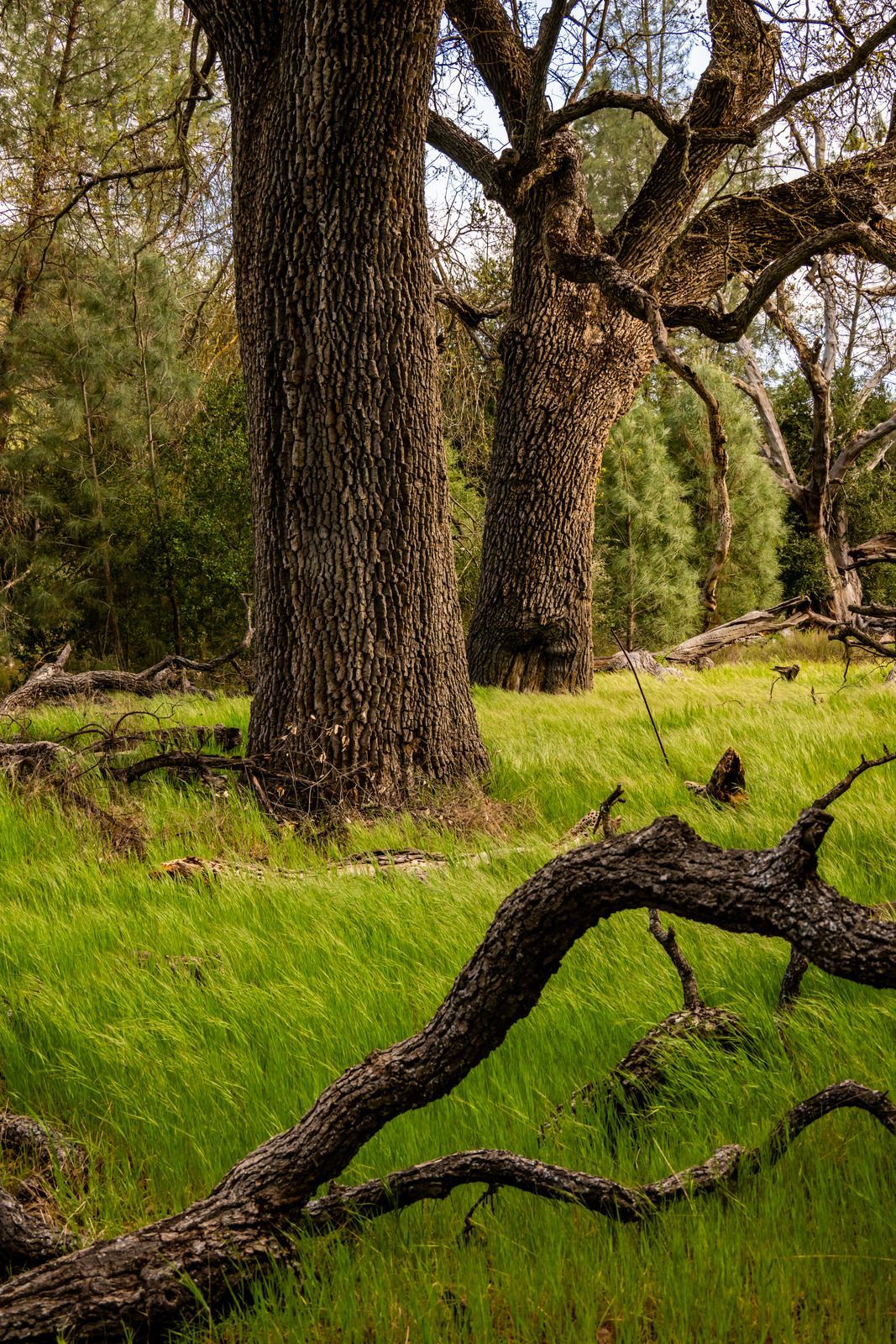
QUICK ANSWER: Oak summer branch drop happens when a large limb snaps and falls during hot, still weather, usually in the afternoon, with no storm or wind involved. Researchers believe heat and drought stress interrupt water movement inside the branch, raising internal temperature and hormone activity while root pressure keeps the limb heavy with moisture, a combination that weakens the wood from the inside. It strikes oaks, elms, eucalyptus, and a handful of other large-canopy species, and it tends to hit long, horizontal branches that extend well past the rest of the canopy. Breaks usually occur several feet out from the trunk rather than at the branch collar, and in most documented cases the wood shows no visible defect beforehand. Older, established oaks and trees that have already dropped a limb once are more likely to do it again. Because there's rarely a visible warning, the real prevention lies in regular inspection and structural pruning before a hot spell, not in watching for cracks that may never appear.
You're standing in the backyard around four in the afternoon, and it's 102 degrees with not a breath of wind moving through the leaves. Then, without any sound to precede it, a limb the size of a fence post drops from the valley oak near your patio and lands hard enough to crack the concrete. No branch snapped in a storm the night before. No lightning. No gust strong enough to knock over a lawn chair. Just heat, stillness, and a very large piece of tree suddenly on the ground.
If this sounds familiar, or if you've heard a neighbor describe something close to it, you're not dealing with a fluke. It's a documented pattern arborists call summer branch drop, sometimes labeled sudden limb failure, and it shows up with enough regularity in the Sacramento region's older oaks that local tree crews plan around it every July and August. The unsettling part isn't that it happens. It's that it can happen to a tree that looks completely healthy from the ground.
This piece walks through what's actually going on inside the branch when this happens, why oaks growing in the Sacramento Valley's heat and clay soil are particularly exposed to it, and what you can reasonably do about a tree on your own property before the next heat wave rolls through the valley floor.
What Summer Branch Drop Actually Is
Summer branch drop is the sudden, unexplained failure of a large limb on a tree that shows no signs of disease, decay, or structural damage. It happens almost exclusively during hot, calm, dry conditions, which sets it apart from ordinary storm damage. Wind isn't a factor. Rain isn't a factor. The limb simply gives way under its own weight on an otherwise unremarkable afternoon.
The mechanism, as best understood
Nobody has pinned down a single cause, and any arborist who tells you they have the full answer is overselling it. The leading theory involves a combination of heat and internal water pressure. On hot, still days, a tree's transpiration slows because there's little air movement to pull moisture out through the leaves. That drop in water flow through the branch raises internal temperature and appears to increase production of ethylene, a plant hormone that speeds up cell aging and can loosen the cementing structure that holds wood fibers together. At the same time, root pressure keeps pushing moisture upward, so the branch stays heavy even as its internal wood is quietly weakening. A limb that's both heavier and structurally softer than usual eventually just lets go.
Where the break happens
Failures typically occur several feet out along the branch, not at the point where it meets the trunk. That's a meaningful detail, because it means the problem usually isn't a bad union or an old pruning wound at the base. It's happening in wood that, structurally, ought to hold. Long, horizontal limbs extending well beyond the rest of the canopy carry more strain and more weight at the tip, which makes them the most common candidates for this kind of failure.
Why the tree can look fine
In most recorded cases, the wood at the break point shows no outward decay, no cavity, and no obvious defect. That's part of what makes this phenomenon frustrating for homeowners and arborists alike. A visual inspection from the ground, even a careful one, won't reliably catch a branch that's about to go.
Why Oaks Take the Hit in Sacramento Valley Conditions
Oaks aren't the only species affected, but they show up disproportionately in summer branch drop cases, and the Sacramento Valley's climate is close to a worst-case setting for it. Valley oaks and interior live oaks routinely carry limbs 20 feet long or more, and those long horizontal branches are exactly the shape most prone to this kind of failure. Combine that growth habit with a stretch of 100-degree afternoons in July and August, and you've got the conditions researchers keep pointing to.
Heat That Doesn't Let Up
Sacramento regularly experiences stretches of triple-digit summer heat with limited overnight cooling. This prolonged exposure can place significant stress on mature trees. Rather than one extremely hot afternoon, repeated high temperatures may contribute to internal branch stress and sudden limb failure.
Clay Soil Compounds the Drought Stress
Sacramento Valley's heavy clay and hardpan soils can become extremely dry and compact during summer. As moisture disappears, tree roots may struggle to maintain consistent water uptake, adding drought stress to mature oaks already adapted to seasonal wet and dry cycles.
Older Trees Carry More Risk
Mature, established oaks may face greater summer branch drop risk than younger, vigorous trees. Previous limb failure can also indicate increased concern. A decades-old valley oak that has already lost a major branch deserves professional assessment before another extended heat wave.
TIP: Deep, infrequent watering during a heat wave, applied well out from the trunk rather than right at the base, helps established oaks handle drought stress better than frequent shallow watering does. University research on established California oaks found that trees receiving occasional supplemental irrigation during drought fared far better than trees left completely dry, as long as the water was kept away from the root crown.
Warning Signs Versus Cases With No Warning at All
This is the part that trips people up, because summer branch drop gets lumped in with ordinary heat stress, and the two aren't the same thing. Ordinary heat stress usually gives you something to see. Summer branch drop, in its classic form, usually doesn't.
What Heat Stress Looks Like
Wilting leaves, brown edges, yellowing, and curling foliage can indicate heat or water stress. These symptoms usually develop gradually and suggest checking irrigation, monitoring tree health, and consulting an arborist if conditions continue worsening.
What True Summer Branch Drop Looks Like
A branch affected by summer branch drop may remain green, full of leaves, and apparently healthy before suddenly failing. Documented cases often show no reliable outward warning signs, making this phenomenon especially difficult to predict.
What Raises Your Risk Without Visible Cracks
Previous limb failures, older age, long horizontal branches, and extended hot, dry weather can increase risk. Hidden decay from old pruning wounds may also weaken internal wood even when the branch appears completely healthy outside.
WARNING: Never stand, park, or let kids play directly beneath a large horizontal oak limb during a heat wave, even if the tree looks completely healthy. Summer branch drop by definition gives no reliable visual cue before it happens, and a falling limb of that size can cause serious injury or worse.
What to Do About an At-Risk Oak
You can't eliminate the risk of summer branch drop entirely, since the underlying mechanism still isn't fully understood by anyone in the field. But you can reduce it substantially through the kind of routine, structural work that keeps a canopy balanced and takes weight off the limbs most likely to fail.
Get the Tree Inspected Before the Heat Sets In
An arborist can identify overextended limbs, old pruning wounds, hidden decay concerns, and uneven weight distribution before summer. This structural assessment helps identify vulnerable branches even when obvious cracks or external warning signs are absent.
Structural Pruning Reduces Strain on Vulnerable Limbs
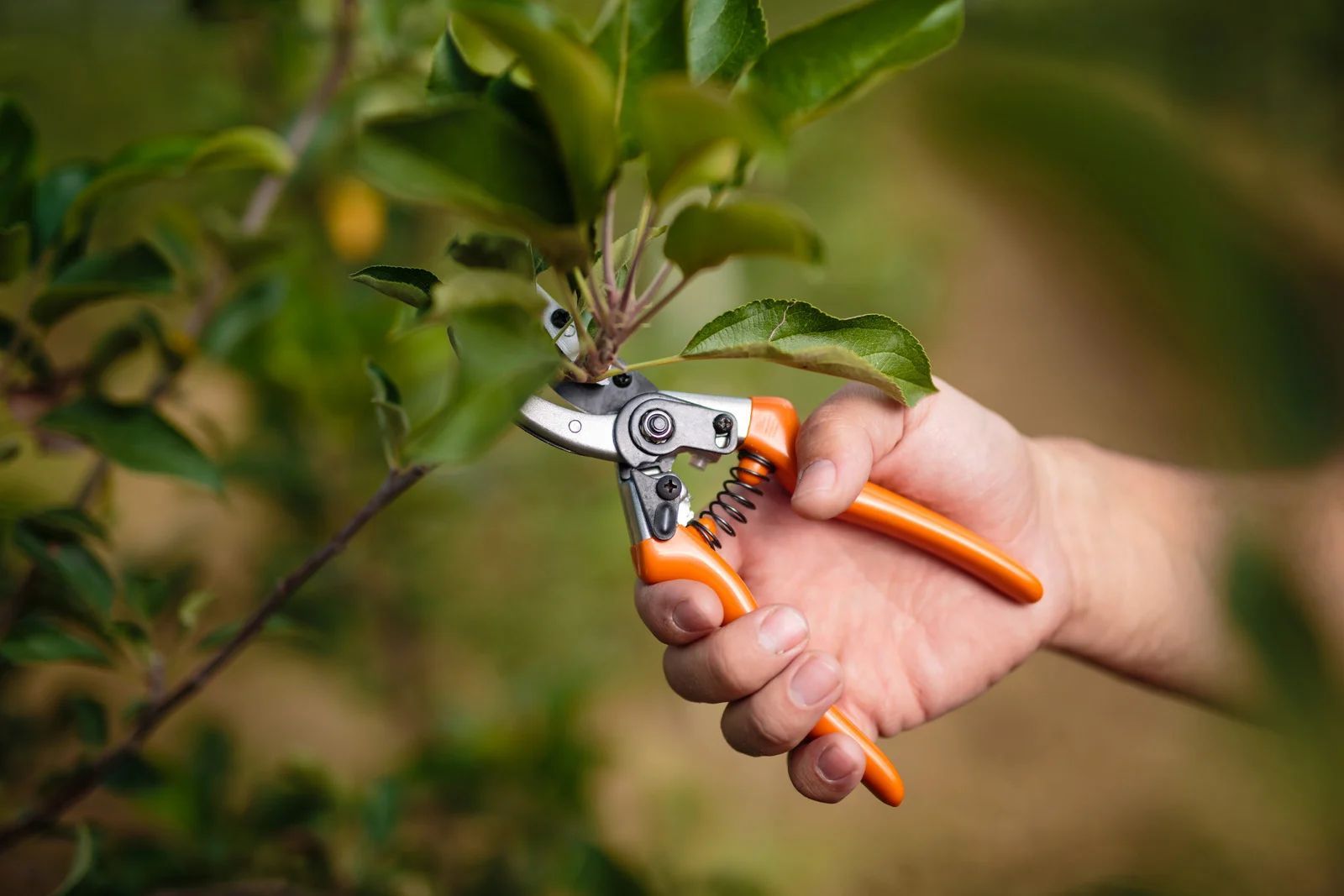
Structural pruning addresses competing branches, narrow attachment angles, and uneven canopy growth. By improving weight distribution and overall structure, it reduces unnecessary strain on long horizontal limbs that may become increasingly vulnerable during prolonged summer heat.
Maintenance Pruning Keeps the Whole Tree Healthier
Removing dead, damaged, or weakened branches while thinning overly dense growth improves canopy airflow and supports tree vigor. Regular maintenance also reduces unnecessary branch weight and helps mature trees remain better prepared for stressful summer conditions.
Hazard Pruning Targets High-Risk Branches
Weak, dead, or damaged limbs above driveways, patios, roofs, and play areas deserve priority removal. Tree Tech Services incorporates hazard-focused inspection and pruning to address branches where sudden failure could create the greatest risk to people or property.
Watering matters too, though it's a supporting factor rather than a fix on its own. Deep, infrequent irrigation during extended dry stretches, kept away from the trunk and root crown, helps reduce the drought stress that researchers believe contributes to branch failure. A single deep soak once a month during a dry summer does more for an established oak than frequent shallow watering near the base, which mostly just wets the surface roots without reaching where the tree actually needs it.
None of this is guesswork dressed up as certainty. It's routine arboricultural practice built around what the available research actually supports, which is that structurally sound, well-maintained canopies fail less often than overloaded, neglected ones, even if the exact trigger for any single limb drop stays hard to pin down.
Frequently Asked Questions
What is summer branch drop in oak trees?
Summer branch drop is the sudden failure of a large oak limb during hot, calm weather. Researchers associate the phenomenon with prolonged heat, drought stress, internal moisture changes, and structural weaknesses within heavy tree branches.
Can a healthy-looking oak really drop a limb with zero warning?
Yes. A healthy-looking oak may suddenly lose a large limb without visible warning. Failed branches can show no obvious cracks, cavities, decay, or damage beforehand, making summer branch drop especially difficult to predict through visual inspections.
Which trees besides oaks are affected by this?
Elm, eucalyptus, beech, sycamore, and ash trees may also experience sudden summer branch failure. Large species with long, heavy horizontal limbs can be particularly susceptible because their branch structure creates considerable weight and leverage.
Does watering an oak tree in summer prevent branch drop?
Watering can reduce drought stress but cannot completely prevent summer branch drop. Deep, infrequent irrigation away from the trunk supports overall health, while excessive watering near the root crown can potentially encourage damaging root diseases.
Is it safe to prune an oak during summer to prevent this?
Targeted pruning of hazardous, damaged, or structurally weak limbs may be appropriate during summer for safety. Heavy nonessential pruning is generally better during dormancy, but dangerous branches should not remain simply because of seasonal timing.
How do I know if my oak is at higher risk for summer branch drop?
Older age, previous limb failures, and unusually long horizontal branches can indicate increased risk. Mature oaks experiencing several risk factors during prolonged hot, dry conditions may benefit from professional structural assessment before peak summer temperatures arrive.
Reducing Summer Limb Risks Before Trouble Starts
Summer branch drop is difficult to predict, but thoughtful tree care can reduce the conditions that make large limbs more vulnerable. Mature oaks with long horizontal branches deserve particular attention during Sacramento’s prolonged periods of intense summer heat. Structural pruning, balanced canopy management, appropriate deep watering, and periodic professional inspections all contribute to stronger growth. Understanding a tree’s history and recognizing potentially overloaded branches can also help property owners manage risk without assuming every healthy-looking oak is dangerous.
With 35
years of experience, Tree Tech Services
understands how Sacramento, CA conditions can affect mature oaks through hot, dry summers. Regular maintenance helps preserve natural canopy structure while addressing dead, damaged, overextended, or poorly balanced limbs before they become larger concerns. Although no inspection can guarantee that sudden branch failure will never occur, consistent care provides a practical way to support long-term tree stability, protect surrounding property, and allow established oaks to remain healthy landscape features for years to come.