
How Professional Pruning Encourages Healthier, Stronger Trees
May 5, 2026
Trees are more than just aesthetic additions to landscapes; they are living systems that provide shade, improve air quality, enhance property value, and contribute to ecological balance. Maintaining their health requires more than occasional watering or fertilizing—it demands intentional care, including proper pruning. Professional pruning is a strategic process that shapes growth, removes stress points, and improves the structural integrity of trees, ensuring they thrive for decades. Beyond individual tree health, well-pruned trees play a crucial role in preserving neighborhood safety, reducing hazards from falling limbs, and supporting local ecosystems by promoting vigorous, disease-resistant growth. Understanding the benefits of pruning is essential for homeowners, property managers, and urban planners who seek both beauty and safety in outdoor spaces.
Neglecting proper pruning can lead to weakened branches, increased susceptibility to disease, and structural instability, posing risks to both trees and surrounding property. Conversely, carefully executed pruning encourages natural growth patterns, stimulates healing, and promotes longevity. Regular pruning also enhances a tree’s resilience to environmental stressors such as wind, drought, and heavy snowfall, making it better equipped to withstand adverse conditions. In this blog, insights will explore how professional pruning supports stronger, healthier trees. Real-world practices, best-practice techniques, and the underlying science behind pruning will be examined. This discussion provides actionable guidance for anyone looking to maintain trees in optimal condition, while emphasizing why professional expertise is a critical component of effective tree care.
Understanding the Fundamentals of Pruning
The Purpose of Pruning
Pruning is not merely about aesthetics; it serves critical biological and structural purposes. Removing dead, damaged, or diseased branches reduces competition for nutrients and prevents the spread of pathogens. Strategically trimming branches also encourages proper air circulation, allowing sunlight to penetrate the canopy and improving photosynthesis efficiency. The result is a healthier tree capable of sustaining robust growth.
Different types of pruning address unique objectives. Crown thinning selectively removes smaller branches to reduce density without altering the natural shape, improving airflow and light penetration. Crown raising removes lower branches to provide clearance for pedestrians, vehicles, or landscaping features, enhancing safety and usability. Crown reduction focuses on decreasing the overall size of a tree, often necessary for urban environments, to prevent interference with structures or overhead utilities. Each method requires careful assessment to ensure that the structural integrity and aesthetic qualities of the tree remain intact.
The Science Behind Pruning
Pruning triggers a tree’s natural healing mechanisms. When a branch is removed, the tree seals the wound by forming a callus, reducing the risk of decay. This process is most effective when cuts are made at precise locations—just outside the branch collar—minimizing damage to the trunk and adjacent branches. Timing is equally critical; pruning during dormant seasons often reduces stress and prevents disease proliferation. Understanding these biological responses ensures that pruning enhances tree health rather than inadvertently causing harm.
Proper pruning also influences long-term growth patterns. Removing crossing branches or those growing inward prevents weak structures and promotes a balanced canopy. Over time, trees develop stronger scaffolding, better wind resistance, and enhanced resilience against environmental stressors. Knowledge of species-specific growth patterns and optimal pruning techniques is vital for achieving these outcomes effectively.
Promoting Structural Strength and Longevity
Encouraging Strong Branch Architecture
One of the primary benefits of professional pruning is the development of a strong structural framework. Weak or narrow branch angles are prone to splitting under wind, ice, or heavy foliage loads. By selectively removing problematic branches, pruning fosters wider angles and encourages the growth of robust, well-spaced limbs. This structural reinforcement is particularly important for fast-growing species, which may develop weaker wood without intervention.
Preventing Damage and Decay
Unpruned trees often suffer from overlapping or crowded branches, which can create friction wounds and harbor pests or fungi. These vulnerabilities compromise both the health and longevity of the tree. Regular pruning eliminates stress points, reducing the likelihood of branch failure and decay. Healthier trees with strong branch architecture are better equipped to withstand storms, snow, and other environmental pressures, ultimately extending their lifespan and maintaining landscape value.
Real-World Example
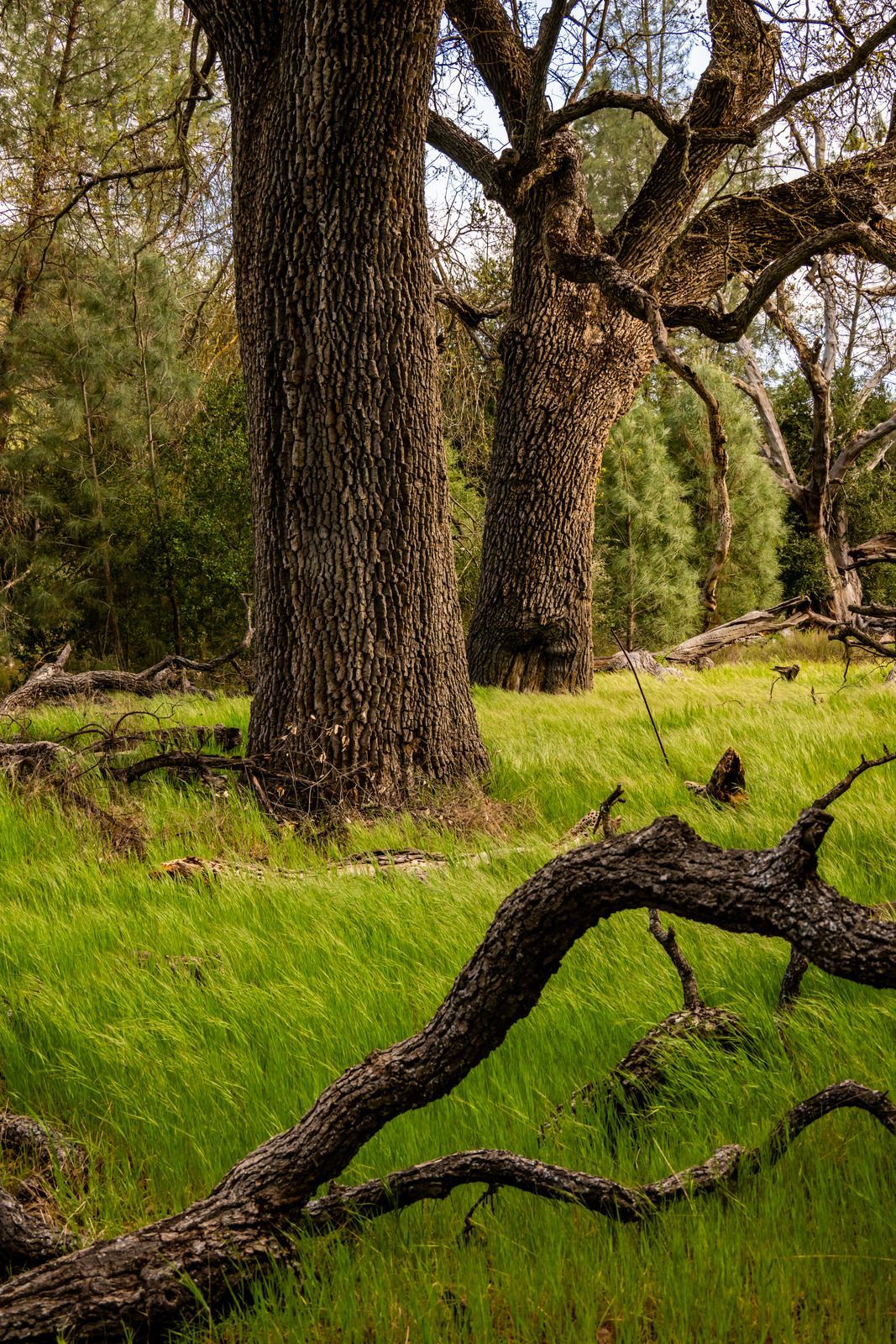
Consider a mature oak tree in an urban park. Without pruning, lower branches may sag, creating potential hazards for visitors. Crowded branches may rub together, causing wounds that attract insects or disease. Professional pruning removes the weaker or interfering branches, leaving a balanced canopy that continues to grow naturally while minimizing risks. The tree not only remains safe for public spaces but also develops enhanced durability, capable of thriving for decades without major interventions.
Enhancing Tree Health and Disease Resistance
Reducing Pest and Disease Incidences
Pruning is an effective preventive measure against many common tree diseases and pests. Dead or diseased branches provide entry points for fungal infections, bacterial pathogens, and insect infestations. Removing these sources promptly limits the spread and reduces overall stress on the tree. Healthy trees are more resistant to environmental pressures, pests, and diseases, which further supports their long-term vitality.
Improving Airflow and Sunlight Penetration
Dense, unpruned canopies restrict airflow and trap moisture, creating an environment conducive to fungal growth. Thinning the canopy improves circulation, allowing leaves to dry faster after rainfall, reducing the risk of leaf spot, mildew, or other infections. Properly spaced branches also allow sunlight to reach interior leaves, supporting photosynthesis and nutrient production. This balanced environment fosters overall tree vigor and resilience.
Expert Reasoning on Timing
Pruning at optimal times enhances these benefits. For most species, late winter or early spring is ideal, as trees are dormant, wounds heal faster, and the likelihood of disease transmission is reduced. Certain flowering species may require specialized timing to preserve blooms. Understanding the biology and seasonal cycles of each tree species ensures pruning interventions maximize health benefits while minimizing stress.
Aesthetic and Functional Benefits
Improving Curb Appeal
Pruned trees contribute significantly to visual harmony and property value. Removing unsightly, dead, or uneven branches creates clean lines and balanced forms. Shaping trees according to natural growth patterns enhances landscape design, making gardens, parks, and streetscapes more appealing. Pruned trees complement architectural features, highlight outdoor spaces, and improve overall aesthetic impressions.
Functional Enhancements
Beyond visual appeal, pruning provides functional benefits. Lower branches can be removed to clear pathways, driveways, and sightlines, enhancing safety and usability. Reducing the size of overgrown trees prevents interference with power lines, buildings, and structures. Well-maintained trees reduce cleanup from falling debris and lower the risk of storm damage to property. This proactive approach prevents costly emergencies and ensures landscapes remain functional and safe.
Example Scenario
Imagine a commercial property with large maple trees along its parking area. Without pruning, branches grow erratically, obstructing lighting fixtures and signs, while fallen debris clogs drainage areas. Routine professional pruning restores order, enhances safety for pedestrians and vehicles, and maintains the property’s visual appeal. These benefits demonstrate how pruning merges aesthetics with practical, long-term functionality.
Best Practices for Effective Pruning
Strategic Planning and Assessment
Before pruning, evaluate the tree’s overall health, growth patterns, and environmental factors. Identify dead, diseased, or structurally weak branches, and determine the desired outcome, whether it’s aesthetic improvement, health enhancement, or safety.
Proper Tools and Techniques
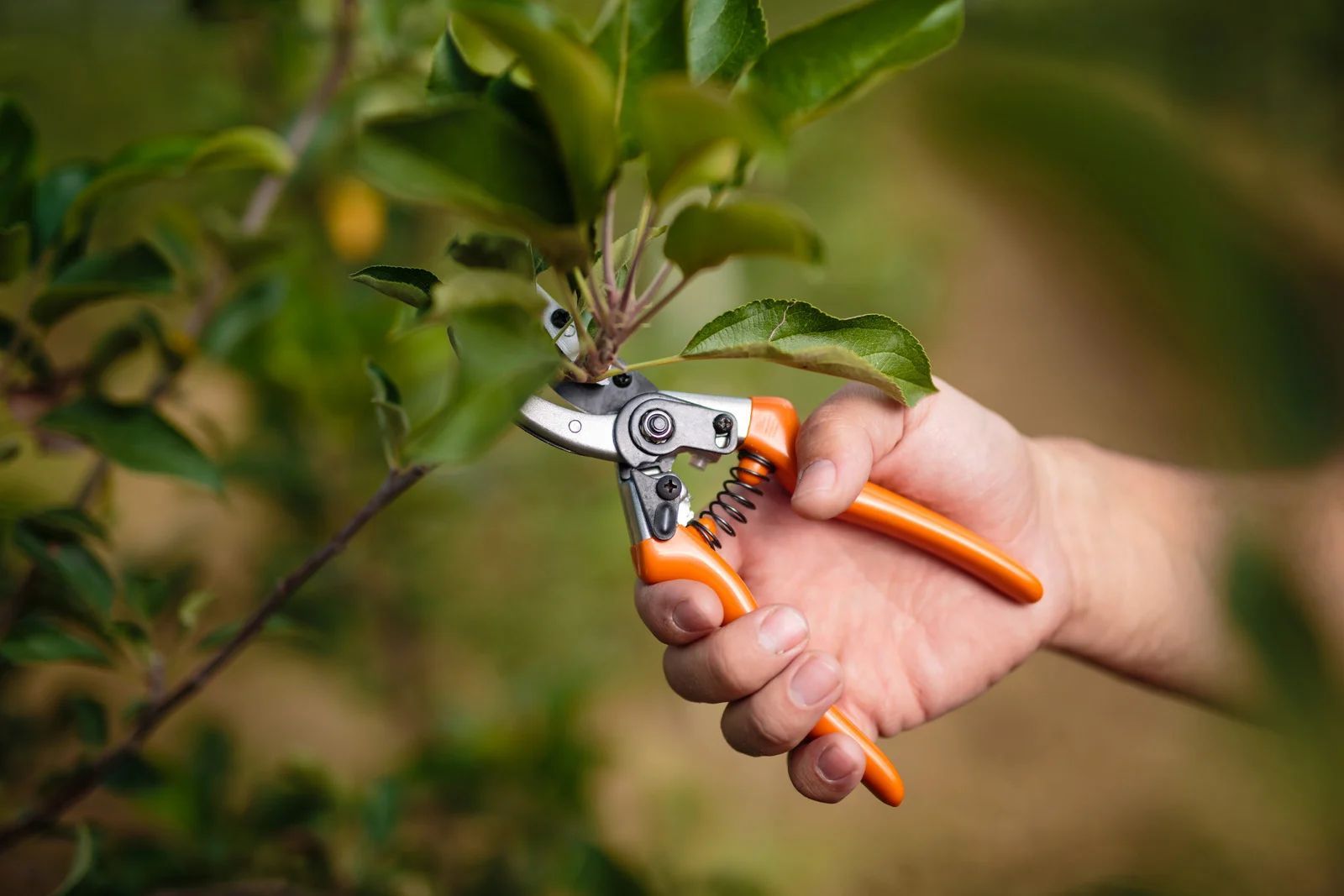
Using the correct tools—such as bypass pruners, hand saws, or pole pruners—is essential to make clean cuts that minimize tissue damage. Ensure tools are sharp, disinfected, and suited to branch size. Cutting at the proper angle just outside the branch collar reduces stress and promotes healing.
Continuous Monitoring
Pruning is not a one-time solution. Monitor trees regularly for new growth, signs of disease, or structural weaknesses. Adjust pruning techniques based on seasonal changes, species-specific needs, and observed tree responses. Long-term care ensures trees remain strong, healthy, and visually appealing throughout their life cycle.
Challenges and Considerations
Common Challenges
Pruning carries inherent challenges. Incorrect timing, excessive removal, or improper cuts can cause stress, decay, or growth deformities. Environmental factors like drought, storms, or soil conditions may also impact recovery. Awareness of these challenges ensures that interventions support rather than hinder tree health.
Professional Expertise
Professional assessment reduces risks associated with pruning. Expertise in species-specific growth, disease management, and structural evaluation ensures interventions are precise, effective, and aligned with long-term health goals. Professional pruning balances safety, aesthetics, and biological needs, creating stronger, healthier trees.
Trusted Experts Ensuring Stronger, Healthier Tree Growth
Professional pruning offers a multifaceted approach to tree care, providing health, structural, and aesthetic benefits. Trees maintained through strategic pruning develop stronger branches, resist disease, and thrive in challenging environments. Well-planned pruning enhances airflow, sunlight penetration, and overall resilience while preventing hazards associated with weak or overgrown limbs. The combination of scientific understanding, precise techniques, and regular monitoring ensures trees reach their full potential, contributing to safer, more attractive landscapes and increased property value.
At Tree Tech Services, Sacramento, CA, we bring 35
years of experience to every tree we care for. As trusted tree service contractors, our expertise ensures that each pruning intervention prioritizes health, structural integrity, and visual appeal. We apply best practices, advanced tools, and a deep understanding of species-specific needs to foster stronger, healthier trees. From residential landscapes to commercial properties, our dedication to long-term tree vitality ensures enduring beauty and safety. With a commitment to excellence, Tree Tech Services
remains a reliable partner for all professional tree care solutions.