
Why Regular Tree Trimming Improves Your Home’s Safety and Curb Appeal
April 13, 2026
Trees are an essential element of any property, providing shade, natural beauty, and a sense of serenity. However, without proper care, trees can become a source of danger and detract from the overall appearance of a home. Regular tree trimming is not merely a cosmetic task—it is a vital practice that protects both property and residents while enhancing the aesthetic appeal of outdoor spaces. Neglecting tree maintenance can lead to overgrown branches, weakened limbs, and structural imbalances, all of which increase the likelihood of property damage and personal injury. Homeowners increasingly recognize that proactive tree care is a key component of both safety and landscaping strategy.
Beyond safety concerns, tree trimming directly influences curb appeal. Well-maintained trees complement architectural features, frame views, and create inviting outdoor environments. Overgrown or poorly shaped trees, on the other hand, can obscure windows, block natural light, and create a neglected appearance. Strategic trimming balances functionality with beauty, promoting healthier growth and a polished landscape. Understanding the intersection of safety, aesthetics, and long-term tree health highlights why regular trimming is a crucial investment for any property, ensuring outdoor spaces remain both attractive and secure year-round.
1. Enhancing Safety Through Pruning
Preventing Hazardous Branches
One of the most critical reasons for regular tree trimming is safety. Over time, branches can become weak or damaged due to weather, disease, or natural growth patterns. These weakened limbs pose significant risks, especially during storms or high winds. Pruning removes potentially hazardous branches before they fall, preventing property damage, personal injury, and costly repairs. Regular inspections identify problem areas early, allowing corrective action before accidents occur.
Reducing Fire Risks
In areas prone to wildfires, overgrown trees can significantly increase fire hazards. Dense canopies, dead limbs, and low-hanging branches can act as fuel for fires, allowing flames to spread quickly. Trimming trees strategically reduces this risk by creating safe zones and ensuring sufficient spacing between vegetation and structures. Proper pruning practices can also improve airflow through the canopy, reducing moisture buildup and minimizing conditions that encourage fire spread.
Enhancing Visibility and Security
Overgrown trees can block views of the street, driveways, or entrances, creating blind spots that compromise home security. Well-maintained trees improve sightlines, enabling better monitoring of surroundings and increasing safety for residents. Removing obstructive branches can also enhance the effectiveness of outdoor lighting, deterring potential intruders and improving nighttime visibility.
2. Promoting Tree Health and Longevity
Encouraging Strong Growth Patterns
Tree trimming is not only about immediate safety—it also supports long-term health. Removing dead, diseased, or crowded branches helps the tree direct energy toward healthy growth. Thinning dense canopies reduces stress on individual limbs and allows sunlight and nutrients to penetrate the tree more effectively. This encourages strong structural development and minimizes the likelihood of future damage.
Preventing Disease and Pest Infestations
Diseased or damaged branches can serve as entry points for insects and pathogens, spreading infection throughout the tree. Regular trimming eliminates compromised areas, reducing the risk of disease and discouraging pests from nesting. Early intervention allows for healthier trees and decreases the likelihood of expensive removal or replacement in the future.
Reducing Structural Stress
As trees grow, improper branch distribution or heavy limbs can create uneven weight and stress points. Over time, this may lead to cracks, splits, or even tree failure. Regular pruning addresses these structural concerns, ensuring balanced growth and minimizing the risk of catastrophic limb loss. This preventive measure protects both the tree and surrounding property.
3. Boosting Curb Appeal and Property Value
Shaping for Aesthetic Appeal
The appearance of trees significantly influences a home’s overall visual impact. Properly trimmed trees complement architectural features, highlight landscape design, and create a polished, inviting exterior. Thoughtful shaping techniques can enhance symmetry, remove unsightly growth, and maintain a clean, professional look. A landscape with healthy, well-groomed trees immediately conveys care and attention to detail.
Increasing Property Value
Landscaping is a major factor in real estate appraisal, and mature trees add tangible value when properly maintained. Homes with overgrown or neglected trees can appear less desirable, potentially lowering market appeal. Regular trimming ensures trees remain healthy and attractive, enhancing property value and making a positive impression on potential buyers. The combination of safety, health, and aesthetics directly contributes to the investment potential of a property.
Complementing Seasonal Landscaping
Regular trimming also supports seasonal landscape design by preparing trees for new growth cycles. Removing old growth and shaping branches encourages vibrant spring foliage, fuller summer canopies, and visually appealing forms in the fall. A dynamic and well-kept tree line enhances curb appeal throughout the year, creating a consistently inviting exterior.
4. Addressing Environmental and Practical Benefits
Enhancing Sunlight and Airflow
Overgrown trees can block sunlight from gardens, lawns, and outdoor living areas. Strategic pruning improves light penetration, benefiting plants and promoting healthier turf. Increased airflow through the canopy reduces moisture buildup, which helps prevent fungal growth and creates a more comfortable outdoor environment. Well-ventilated spaces also reduce humidity levels, improving comfort and minimizing pest issues.
Minimizing Interference with Utilities and Structures
Tree branches that encroach on power lines, roofs, or gutters pose both safety and maintenance concerns. Regular trimming prevents interference with utility lines, reducing the risk of outages, fires, and structural damage. Properly managed tree growth also protects roofs and siding from constant contact with limbs, preventing premature wear and costly repairs.
Conserving Energy
Shaded areas created by mature trees can reduce cooling costs during hot months, but overgrowth can block natural airflow around the home, leading to inefficient temperature regulation. Controlled trimming allows for optimal shade without compromising ventilation, contributing to energy savings and improved outdoor comfort. Strategic pruning can maximize environmental benefits while maintaining functional aesthetics.
5. Best Practices for Effective Tree Trimming
Scheduling Regular Maintenance
Consistency is key to maintaining both safety and appearance. Scheduling regular trimming sessions ensures trees remain healthy, balanced, and visually appealing. Frequency depends on species, growth rate, and environmental factors, but generally, inspections and pruning once every 1–3 years help prevent overgrowth and structural issues. Timely maintenance also allows early detection of diseases or pests before they escalate.
Using Proper Techniques
Incorrect trimming can harm trees, leading to weak growth or long-term damage. Proper techniques include making clean cuts at branch collars, avoiding excessive removal, and shaping the canopy to promote natural growth patterns. Over-pruning can be as detrimental as neglect, so understanding species-specific needs is essential for effective care. Applying correct methods enhances tree resilience and aesthetic outcomes.
Hiring Experienced Professionals
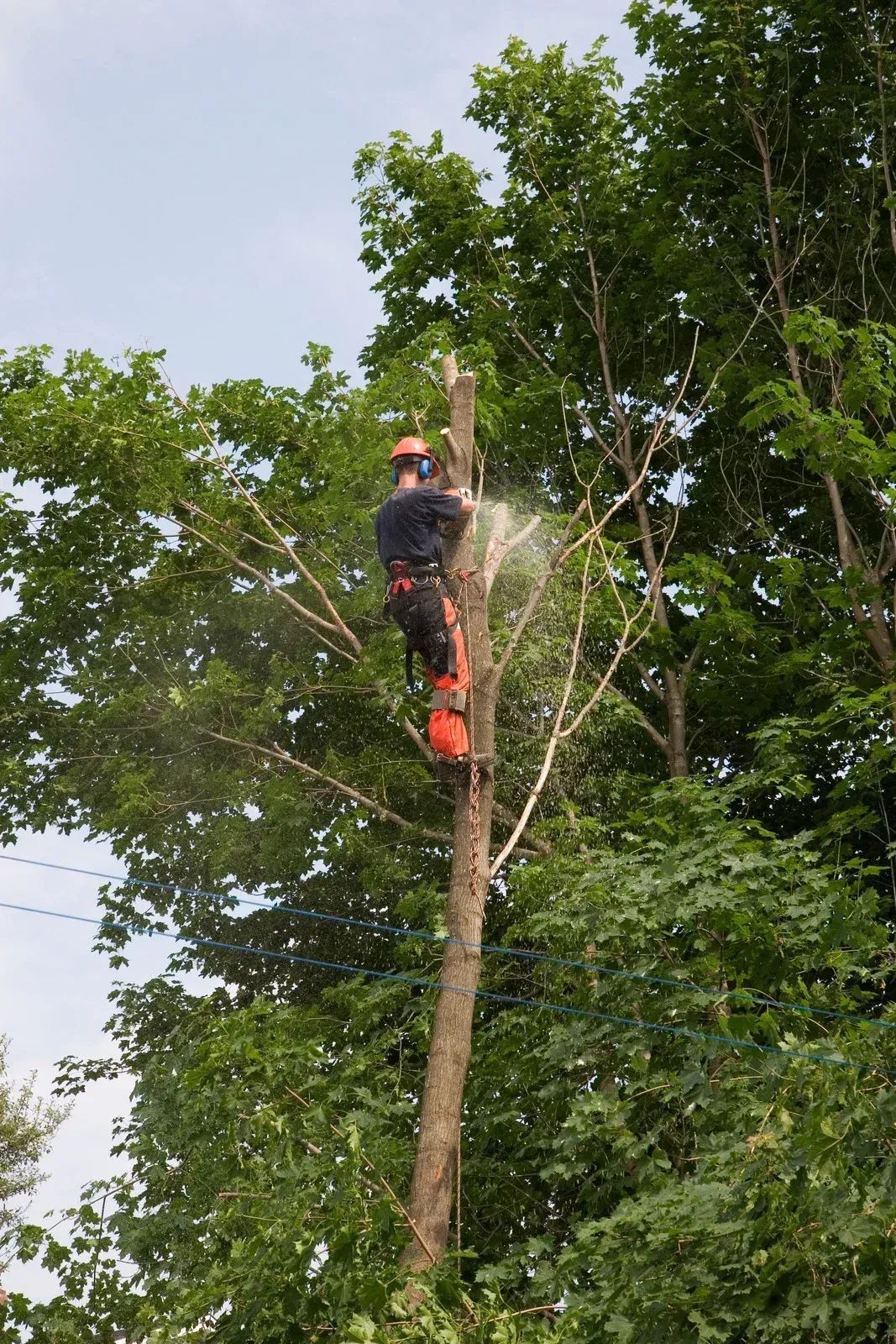
Tree trimming is physically demanding and potentially dangerous work. Attempting complex pruning without proper knowledge or equipment can result in injury, property damage, or tree loss. Certified arborists or skilled tree care providers use specialized tools, safety gear, and proven techniques to deliver superior results. Professional expertise ensures trees are pruned safely, efficiently, and in alignment with best practices for long-term health.
Considering Seasonal Factors
Timing plays a significant role in successful tree maintenance. Many species benefit from late winter or early spring pruning, when trees are dormant, minimizing stress and promoting vigorous growth. Avoiding trimming during peak growth or disease-prone periods can prevent harm and reduce the risk of infection. Understanding seasonal cycles ensures trees receive care when it is most effective.
6. Real-World Scenarios Demonstrating Tree Trimming Benefits
Protecting Against Storm Damage
Consider a property with a large oak near the driveway. Overgrown, weak branches threaten vehicles and homes during storms. Strategic trimming removes hazardous limbs, preserving safety and preventing costly damage. After maintenance, branches are balanced, and the tree remains a visually appealing feature rather than a liability.
Enhancing Residential Landscapes
A home with multiple ornamental trees can appear cluttered without regular pruning. Shaping and thinning branches enhances visibility, highlights flower beds, and frames the house elegantly. Seasonal maintenance ensures trees complement the landscape year-round, creating a harmonious, inviting environment that impresses visitors and passersby.
Supporting Urban Environments
In urban neighborhoods, trees often compete for space and resources. Overgrowth can obstruct sidewalks, streetlights, and traffic signs. Proper trimming maintains public safety and ensures trees remain an asset rather than an obstacle. Well-maintained urban trees provide shade, aesthetic value, and environmental benefits without interfering with daily activities.
Reliable Tree Solutions Protecting Homes and Enhancing Landscapes
Regular tree trimming is a strategic investment in home safety, visual appeal, and long-term tree health. Proactive pruning mitigates risks from falling branches, reduces fire hazards, and enhances visibility for security. Beyond safety, trimming encourages structural strength, prevents disease, and promotes balanced growth, ensuring trees remain vibrant and resilient. Well-maintained trees elevate curb appeal, complement seasonal landscaping, and contribute measurable value to properties. The environmental benefits, including improved sunlight penetration, airflow, and energy efficiency, further underscore the importance of consistent tree care.
For over 35
years, Tree Tech Services
has delivered professional tree care solutions throughout Sacramento, CA. As experienced tree service contractors, our approach prioritizes safety, health, and aesthetic excellence, ensuring every property benefits from expert pruning and maintenance. Combining decades of knowledge with precise, reliable service, we help homes achieve enhanced curb appeal while safeguarding residents and property. Trust us to maintain, shape, and protect trees for lasting beauty, safety, and environmental harmony.